Creative Coding
Creative Coding

spiralRadio
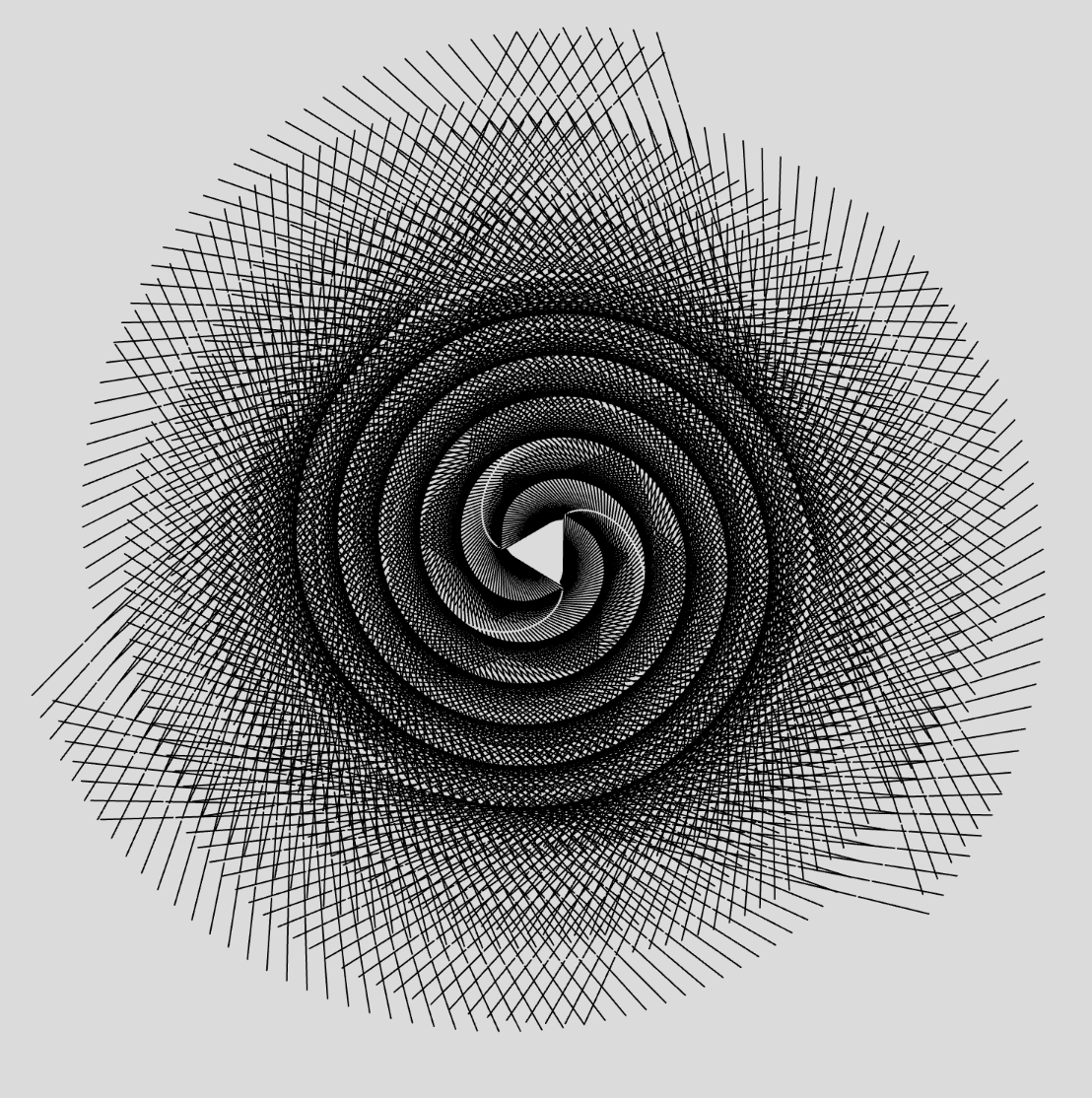
Spiral Radio initially began as a simple drawing exercise. My exploration started when I borrowed Carl Lostritto's "Computational Drawing" book from the library, aiming to try out some of his computational drawing techniques.
The leap from basic lines to intricate patterns happened in the book's second chapter, which introduced the use of sine and cosine functions to morph straight lines into spirals by transforming points. The outcomes were unexpectedly compelling, leading me to incorporate the theory discussed in class into my work. This exploration led to the creation of Arduino-controlled spirals, which varied with the physical adjustments of a potentiometer.
However, the most thrilling discovery was the ml5 library. After experimenting with various libraries for my final project, the pitch detection feature of ml5 stood out. It became a core component of Spiral Radio, where each pitch influences the spiral's shape. This interaction was fascinating; playing different songs revealed how lower frequencies produced dense spirals with a dark centre, while higher frequencies resulted in clearer, more expansive spiral shapes. On top of this I also wanted to keep the Arduino controls by replacing the slider for the dashed lines, again, with the potentiometer. When you would rotate it, if you look closely, you can observe the dashed lines getting longer until the point of transforming into one continuous line. The other element of interaction was a Boolean tick box that can stop or start the shacking effect of the line.
Explore the code here:
-
The code in this project was inspired by the book “Computational Drawing”. Taking the example of the driftingDashPolylines that has a spiral input I have modified it with changing the angle offset distorting the spiral in such ways that can form different shapes around its centre point. By adjusting the slider, it can dynamically change how tightly the spiral winds or how spaced the loops are. In the final version of the project I have used the ml5 library for pitch detection and attached it to the angle offset. As you can hear in this video, the spirals is tighter when played lower sounds and more spaced out at higher pitches. Next I have also added a potentiometer that controls through serial control the dash length - when at maximum the dash transforms into a line that makes the overall shapes look more angular. On top of this I have also added a Trace button that starts or stops the shacking effect of the lines that makes the drawing look more like they are dancing on the music.
Here you can see me playing a song from my Spotify to the Spiral Radio for demonstration purposes as to why I have named it in this way. I find the spirals and shapes formed quite mesmerising and I love playing and testing on different songs. I find the most interesting results I get are on songs that have fluctuating tones just like the one used in this video: “Mood Swings” by Little Simz. That is how you can notice more of the variations offered by the code, including the higher pitch shapes vs the lower ones.

designDrape
Interactive Cloth Sketching
designDrape represents a stride into generative fashion, driven by my curiosity to explore the connection between the human body and digital fabric and its impact on perception.
The primary goal of this project is to develop code capable of identifying the human body and generating diverse digital textures that envelop it. To illustrate this concept, I've crafted a sample cloth using a curvedVertex, incorporating dynamic random points to shape a semi-circle. This specific form aims to convey the illusion of tangible garments draping around the body.
In practice, users capture a posed picture of themselves and utilise the mouse as a brush. The brush size is adjustable through a slider, and colour selection is facilitated by pressing keys 1 to 4 (representing red, green, blue, and violet). The right side of the screen serves as a blank canvas for testing brushes before applying them to the image. Saving artwork is initiated with the 'S' key, while a quick snapshot and canvas reset are executed with the BACKSPACE key.
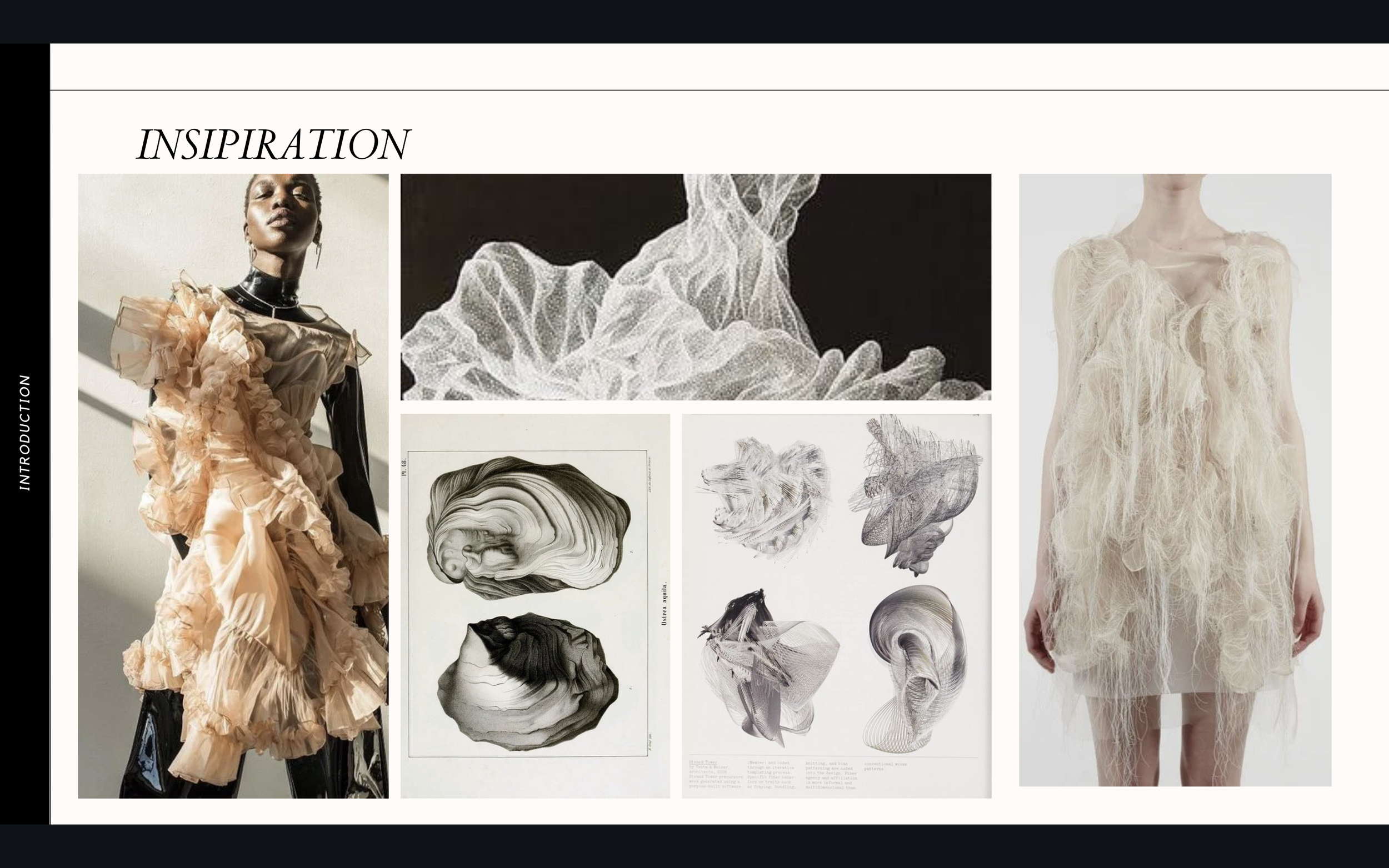
The inspiration for this project is drawn from diverse sources, encompassing coding and physical designers in textiles, fashion, and those who have engaged with code to generate captivating flowing textures. One of them is Marius Watz’s, distorted grid. Additionally, examples from the Generative Design book and website introduced me to the concepts of dumb and intelligent agents, influencing the design of my brush. The FORM + CODE book served as a valuable visual reference as well.
Explore the code here:
Technical Explorations
fireWORKS
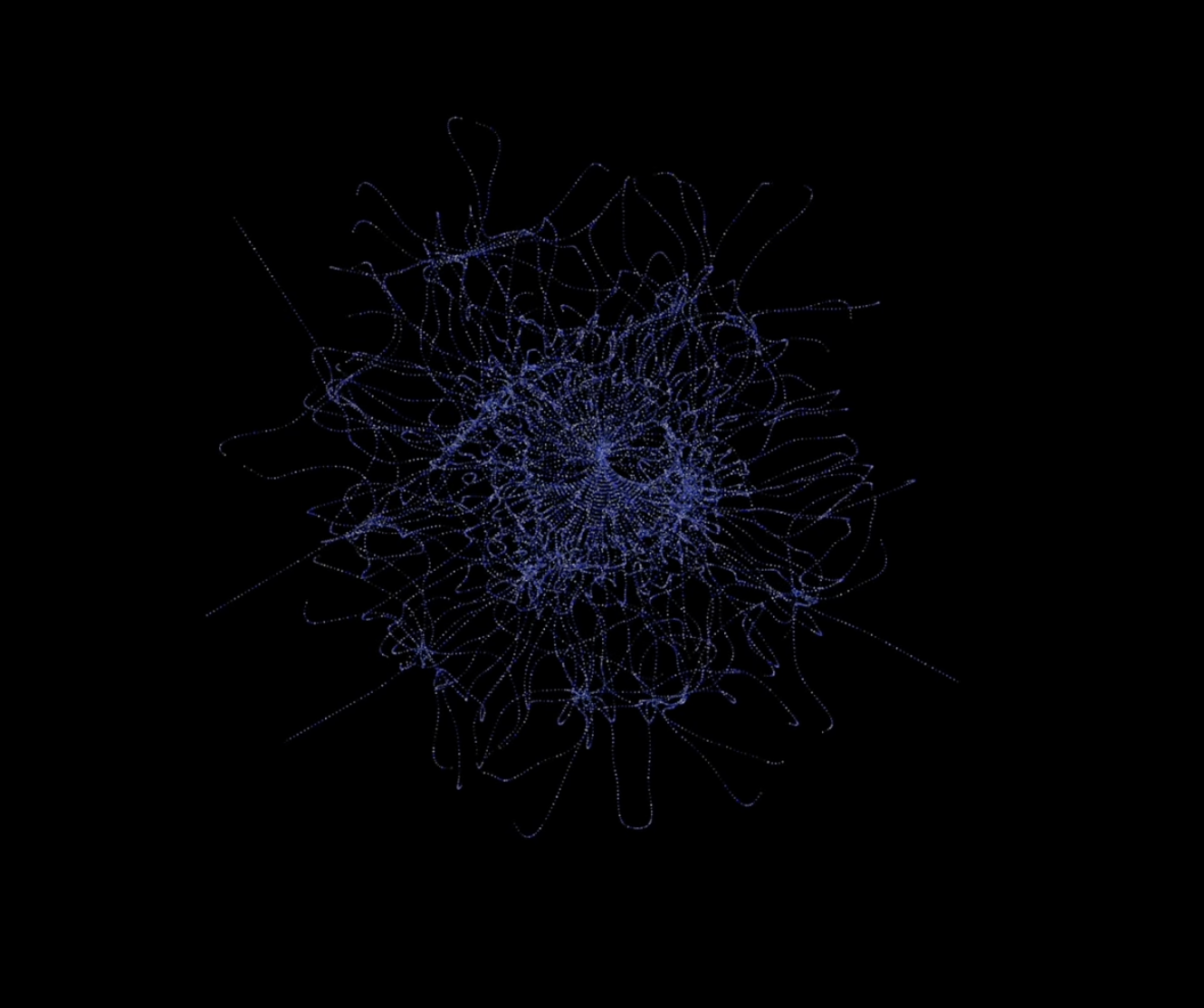
I revamped the boids' look and behavior to produce mesmerising visuals resembling intricate firework displays. The end result showcases a captivating exhibit of colorful dots flowing across the screen, simulating dynamic movements akin to fireworks.
This code demonstrates the application of mathematical principles and object-oriented programming to craft intricate emergent systems.
Farm-slider
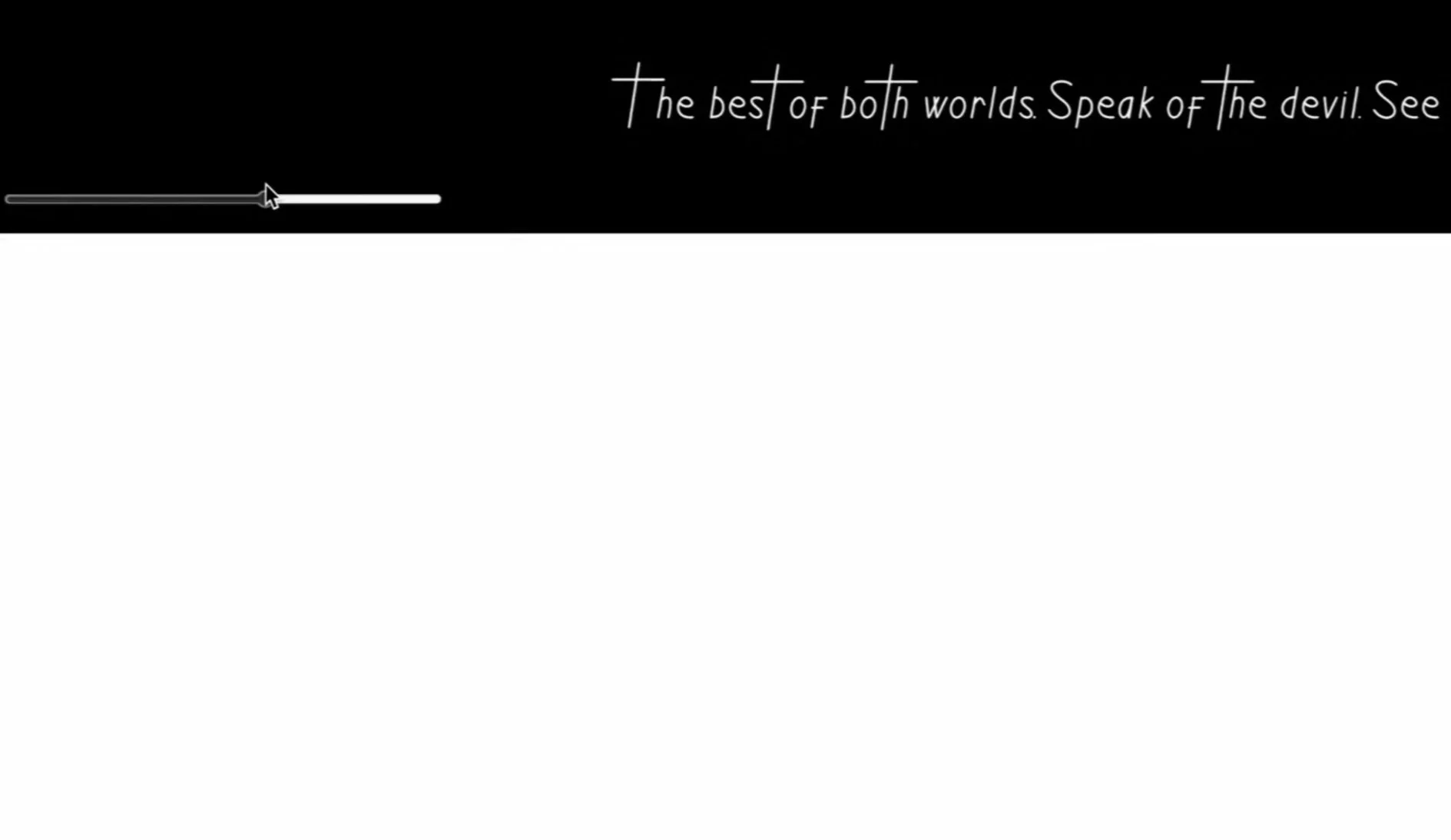
This code creates an interactive experience where users can change a sentence using a slider. Inspired by Barbara Kruger’s art, it uses a red background but a different font. By replacing words with animal names, it challenges familiar phrases, revealing their absurdity. Future updates may include smarter word replacements for more relevant absurdity and a wider range of nonsensical options to critique normalized expressions.
coloredSignature_arduino
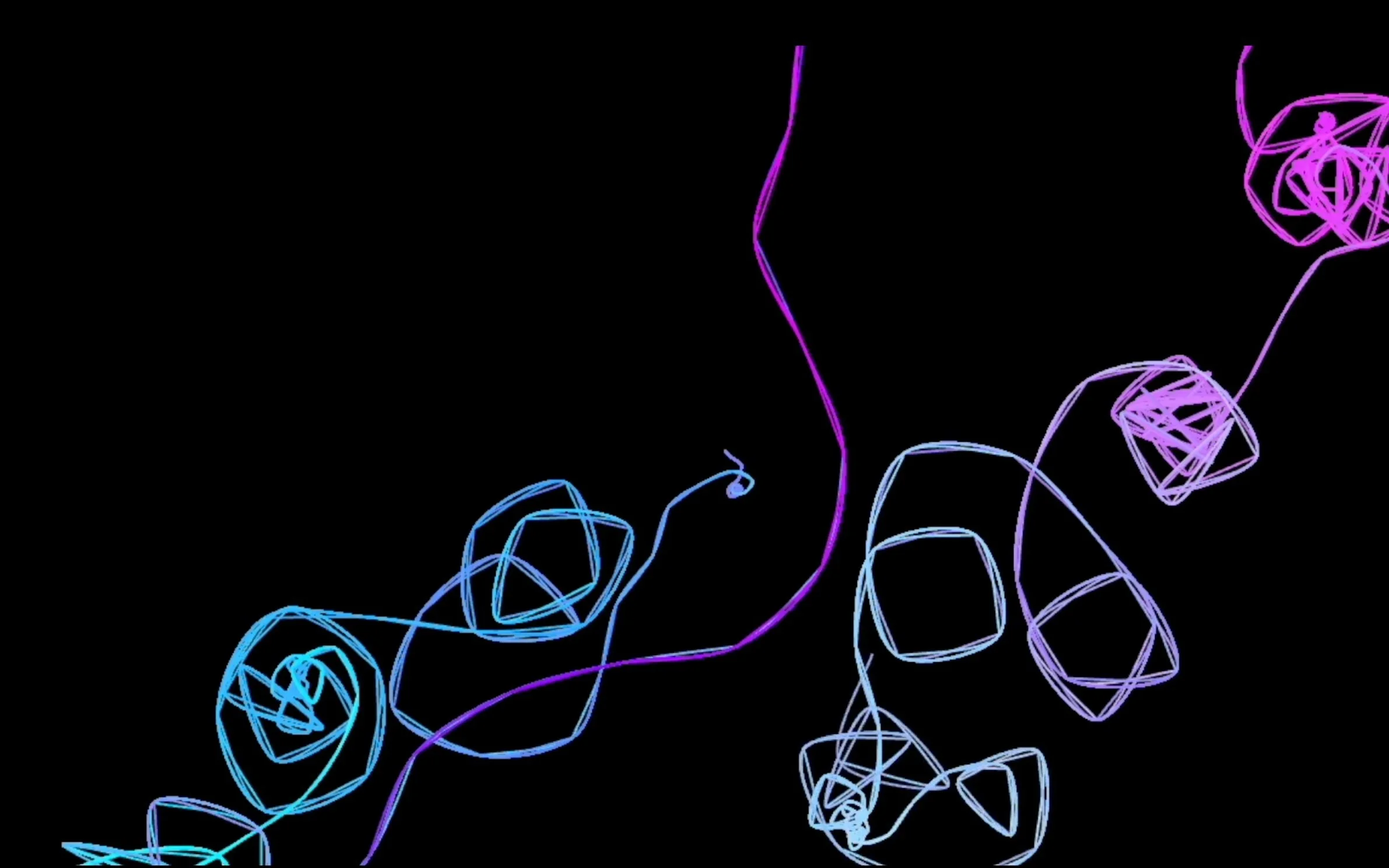
This code creates a digital signature that visualizes real-time data from an Arduino-connected potentiometer. By manipulating vectors, it turns potentiometer movements into a unique digital signature on the canvas, evolving through points that change direction and speed based on the data. The project aims to translate physical interactions into colourful, code-generated scribbles, evoking my childhood fascination with unique signatures.